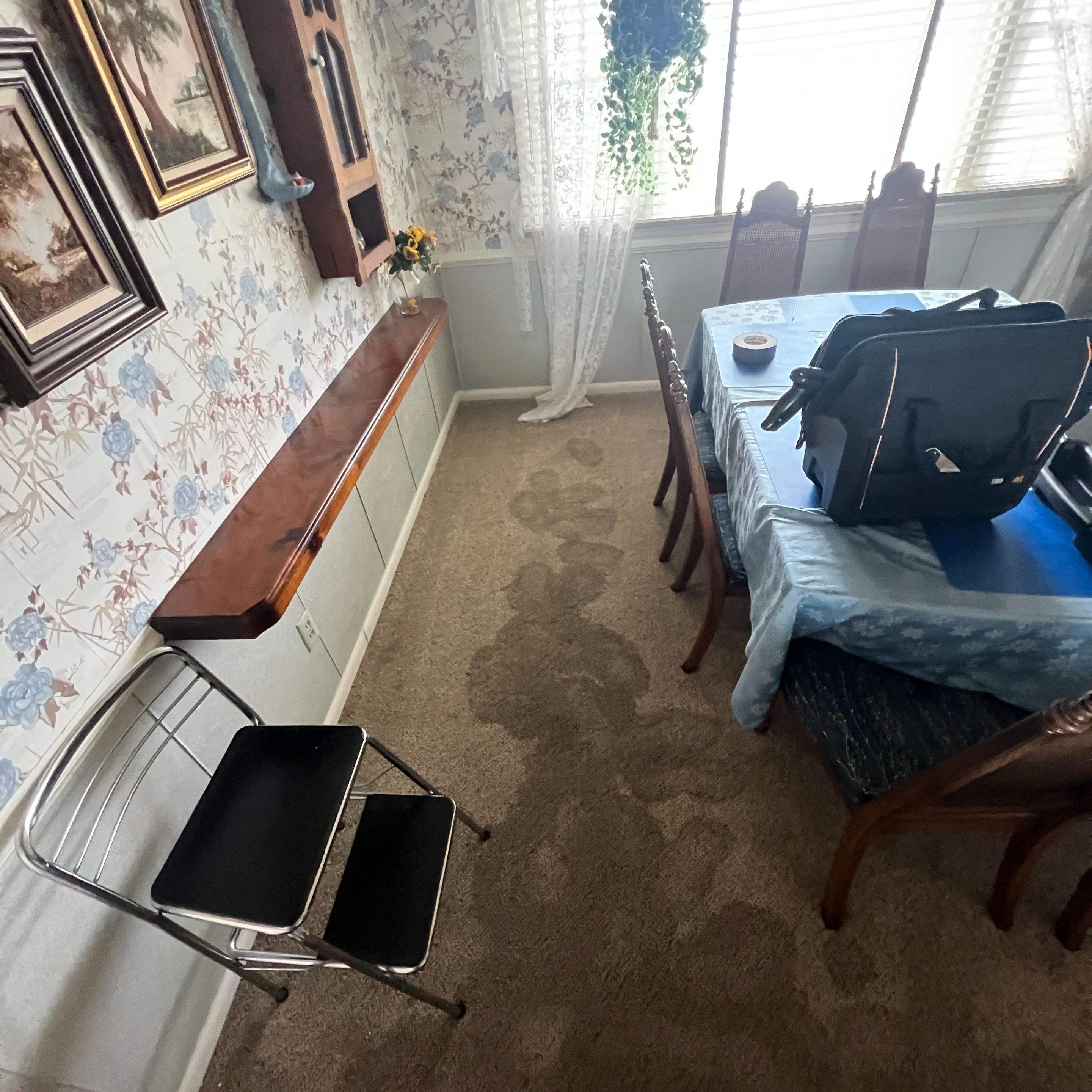
Why is water coming through my foundation in the first place?
Foundations crack. It is not a defect, it is physics. Concrete shrinks as it cures, soil shifts with freeze and thaw cycles, and hydrostatic pressure from saturated ground pushes water toward any path of least resistance. In Crooked Stick homes, the most common culprits are clogged gutters dumping water against the wall, negative grading that slopes soil toward the house, failed window well drains, and old tar coatings on the exterior that have given up after 30 or 40 years. Vertical hairline cracks usually come from shrinkage. Horizontal cracks or stair step cracks in block walls are more concerning because they often signal pressure or movement.
How do I know if this is an emergency or something that can wait?
If water is actively flowing in, if it is reaching electrical outlets or the furnace, or if you smell sewage mixed with the groundwater, treat it as an emergency and call us. If the crack is weeping slowly and the volume is small, you have time to think. The risk clock that matters is mold. Drywall, insulation, and stored cardboard can grow visible mold colonies in 24 to 72 hours once they stay wet, which is why the 48 hour rule for mold growth drives most of our response decisions. A damp wall today is a remediation job by the weekend if nothing changes.
What will a professional response actually look like?
When you call Crooked Stick Water Restoration, we dispatch a crew in most cases within 2 hours for active intrusion. The first visit is a free assessment. We bring moisture meters and thermal cameras to map how far the water has traveled inside the wall cavity and under the slab, because what you see on the surface is rarely the full extent. Our process draws on the same IICRC water restoration standards we use for any Category 1 or 2 loss. We extract standing water, remove unsalvageable materials, set air movers and dehumidifiers, and monitor moisture readings daily until the structure hits dry standard. For foundation intrusion specifically, we also document the entry point so your waterproofing contractor or structural engineer has clear information to work from.
Expect us to make controlled cuts in the drywall, usually a clean line 16 or 24 inches up from the floor, to expose the wall cavity and the bottom plate. That sounds aggressive but it is far cheaper than tearing out a whole wall later because moisture stayed trapped behind a vapor barrier. We also pull baseboard, document insulation condition, and decide on a case by case basis what can be dried in place versus what has to come out. Carpet pad almost always comes out. Carpet itself can often be salvaged if we get to it within the first day.
How long until everything is dry and back to normal?
For a typical foundation intrusion event, structural drying takes three to five days with proper equipment running continuously. Demolition and reconstruction of damaged drywall, insulation, baseboard, and flooring adds another one to three weeks depending on scope and material availability. If mold has already started, remediation adds days and cost. The single biggest factor in your timeline is how quickly you call. Forty eight hours of delay can double the bill.
Will my homeowners insurance cover any of this?
This is where foundation intrusion gets tricky. Most standard policies exclude damage caused by groundwater, surface water, and seepage through foundation walls. That is the same category as flood damage, which is a separate policy. However, if the intrusion was sudden and tied to a specific covered event, a sewer backup with the right endorsement, or a sump pump failure with that endorsement, you may have coverage for the interior damage even if the structural repair is on you. We have walked hundreds of homeowners through this conversation, and the sump pump failure scenarios we document for adjusters sometimes unlock coverage that homeowners assumed was not there. Read your declarations page, then call your agent before you call the adjuster.
Do I need to fix the crack itself, or just dry things out?
You need to fix the crack. Drying without sealing means the next rainstorm undoes everything. Crooked Stick Water Restoration is a restoration company, not a waterproofing contractor, so we will dry and restore your interior and refer you to a reputable foundation specialist for the exterior or injection work. Common fixes are polyurethane or epoxy crack injection from the inside for hairline vertical cracks, exterior excavation and membrane application for wider issues, and interior drain tile with a sump pump for chronic seepage. Costs and timelines vary widely, which is why we give you the assessment data and let you get bids.
What should I do in the first hour after I find it?
Move anything porous away from the wet area. Cardboard boxes, fabric furniture, paper, and particleboard furniture absorb water fast and become the mold problem. Pull back carpet if you can, and lift the pad off the slab so air can reach the concrete. Set a fan moving air across the wet surface, not blowing directly at the crack. Take photos before you move anything, dated and wide enough to show context, because your insurance adjuster will want them. Then shut off the water source if there is one outside, meaning redirect downspouts, move hoses, and check that the sump pump is running.
If you have a shop vacuum rated for wet pickup, use it to pull standing water off the slab before it wicks into baseboards and bottom plates. Do not use a household vacuum, the motor is not sealed for water and you will destroy it. Mark the high water line on the wall with a piece of tape so you can show the adjuster and our crew exactly how deep it got. If the water has a brown or gray tint, assume it picked up contaminants from the soil or a backed up drain and keep kids and pets out of the area until it has been cleaned and disinfected.
How much does this typically cost?
Costs split into two buckets: the restoration work to dry and repair the interior, and the waterproofing or structural work to stop it happening again. Restoration alone for a small intrusion event runs lower than most homeowners expect. A small unfinished area dry out generally lands between $800 and $1,800. A finished basement that needs partial demolition along with drying runs $2,500 to $4,500 in most cases. A full basement event that includes mold remediation can reach $5,000 to $8,500 by the time everything is reconstructed. On the structural side, exterior crack injection repair from a waterproofing contractor typically runs $1,200 to $3,200 per crack depending on length and access. These ranges reflect typical Central Indiana conditions and vary with material, access, and finish level.
What can I do to keep it from happening again?
Most repeat intrusions in Crooked Stick come down to water management at the surface. Clean your gutters twice a year and add downspout extensions that carry water at least six feet from the wall. Walk the perimeter after a heavy rain and look for standing puddles within three feet of the foundation, that is your grading telling you something. Test your sump pump every spring by pouring a five gallon bucket of water into the pit and confirming it kicks on. If your home is more than 20 years old and has never had the sump replaced, budget for one, they generally last 7 to 10 years. A battery backup pump is the single best investment you can make if your basement is finished.